Okoume Timber vs Traditional Hardwoods: Which Wood Is Better for Modern Furniture Manufacturing?
In today’s furniture industry, manufacturers are constantly searching for materials that combine durability, aesthetics, sustainability, and cost-efficiency. While traditional hardwoods like teak, oak, walnut, and mahogany have long dominated the market, a newer contender is rapidly gaining popularity among designers and manufacturers alike okoume timber.
From lightweight luxury furniture to moisture-resistant interiors, modern furniture production is evolving. But the big question remains: Is okoume wood better than traditional hardwoods for modern furniture manufacturing?
Let’s explore the strengths, limitations, and applications of both materials to help furniture makers, interior designers, and buyers make informed decisions.
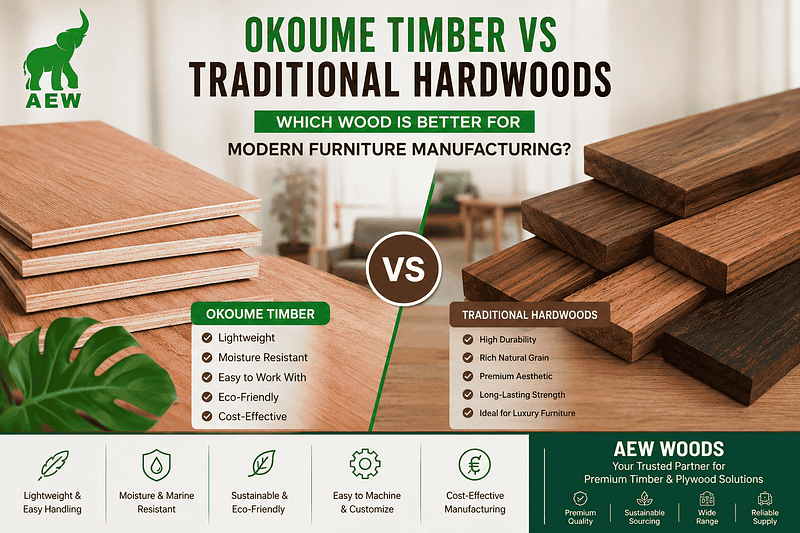
Understanding Okoume Timber
Native to Central Africa, particularly Gabon, okoume timber is a lightweight hardwood known for its smooth grain, attractive pinkish-brown appearance, and excellent workability. Often used in premium plywood manufacturing, it has become increasingly popular in the furniture and marine industries.
One of the most in-demand products made from this wood is okoume marine plywood, prized for its water resistance, strength, and lightweight structure.
Unlike dense traditional hardwoods, okoume offers flexibility and ease of machining, making it highly suitable for modern furniture designs that prioritize sleek aesthetics and functionality.
What Are Traditional Hardwoods?
Traditional hardwoods include well-known wood species such as:
- Oak
- Teak
- Maple
- Walnut
- Mahogany
- Sheesham
These woods are widely recognized for their density, durability, and timeless appeal. For decades, they have been the preferred choice for premium furniture manufacturing due to their long lifespan and natural beauty.
Many hardwood timber suppliers still heavily promote these traditional woods because of their established reputation in residential and commercial furniture markets.
However, changing consumer demands and manufacturing trends are pushing industries to explore alternatives like okoume.
Okoume Timber vs Traditional Hardwoods: Key Comparison
1. Weight & Handling
Okoume Timber
One of the biggest advantages of okoume wood is its lightweight nature. This makes transportation, installation, and furniture assembly much easier.
Furniture manufacturers creating modular furniture, office workstations, or portable furniture often prefer okoume because it reduces production and logistics costs.
Traditional Hardwoods
Traditional hardwoods are significantly heavier. While this adds sturdiness, it also increases transportation expenses and handling difficulties.
Winner:
Okoume timber for modern lightweight furniture manufacturing.
2. Durability & Strength
Okoume Timber
Although lightweight, okoume still offers respectable strength when engineered properly. High-quality okoume marine plywood especially performs exceptionally well in humid environments.
However, pure okoume timber may not match the hardness of oak or teak under extreme wear conditions.
Traditional Hardwoods
Hardwoods are naturally dense and durable. They resist dents, scratches, and heavy impact more effectively, making them ideal for high-traffic furniture applications.
Winner:
Traditional hardwoods for maximum long-term toughness.
3. Aesthetic Appeal
Okoume Timber
Modern furniture trends favor minimalism and smooth finishes. Okoume’s straight grain and uniform texture make it perfect for contemporary interiors.
It accepts paints, veneers, laminates, and finishes beautifully, allowing manufacturers greater design flexibility.
Traditional Hardwoods
Hardwoods deliver rich textures and natural grain patterns that symbolize luxury and timeless craftsmanship.
However, their bold grain may not always align with ultra-modern furniture aesthetics.
Winner:
Tie — depends on design preference.
4. Moisture Resistance
Okoume Timber
This is where okoume marine plywood truly shines. Designed specifically for moisture-prone applications, it performs excellently in kitchens, bathrooms, boats, and coastal furniture projects.
Many furniture brands now use okoume-based plywood for modular kitchens and bathroom vanities.
Traditional Hardwoods
Some hardwoods like teak naturally resist moisture, but others require extensive treatment and maintenance.
Winner:
Okoume marine plywood for engineered moisture-resistant furniture.
5. Ease of Manufacturing
Okoume Timber
Manufacturers love okoume because it’s easy to cut, shape, bend, and machine. It reduces tool wear and speeds up production cycles.
For businesses sourcing from a reliable woodworking supplies store, okoume is often considered highly cost-efficient during mass furniture production.
Traditional Hardwoods
Hardwoods are more difficult to process due to their density. They demand stronger machinery and increase labor time.
Winner:
Okoume wood for efficient furniture manufacturing.
6. Sustainability & Eco-Friendliness
Today’s consumers increasingly prefer sustainable furniture materials.
Okoume Timber
Responsibly harvested okoume plantations support sustainable forestry initiatives. Since the wood grows relatively quickly compared to many hardwood species, it’s often considered environmentally favorable.
Traditional Hardwoods
Certain traditional hardwoods face sustainability concerns due to slow growth and overharvesting.
Winner:
Okoume timber for eco-conscious manufacturing.
Why Modern Furniture Manufacturers Are Choosing Okoume Wood
The global furniture market is shifting toward:
- Lightweight furniture
- Flat-pack furniture
- Modular designs
- Contemporary aesthetics
- Sustainable production
These trends strongly favor okoume wood and okoume marine plywood.
Furniture manufacturers working with leading hardwood timber suppliers are now increasingly combining okoume with premium veneers to create stylish yet affordable furniture collections.
This hybrid approach balances aesthetics, durability, and manufacturing efficiency.
Best Applications of Okoume Timber in Furniture Manufacturing
Modular Furniture
Okoume’s lightweight nature makes it ideal for modular wardrobes, office furniture, and portable furniture systems.
Kitchen Cabinets
Moisture-resistant okoume marine plywood is widely used in modern kitchen cabinetry.
Bathroom Vanities
Its resistance to humidity helps prevent warping and swelling.
Luxury Interior Panels
Okoume’s smooth finish works beautifully for decorative wall panels and luxury interiors.
Marine Furniture
Boat interiors and yacht furniture frequently use okoume because of its marine-grade performance.
When Traditional Hardwoods Are Still the Better Choice
Despite okoume’s growing popularity, traditional hardwoods remain unmatched for:
- Antique furniture
- High-impact commercial furniture
- Luxury handcrafted furniture
- Heavy-duty dining tables
- Heritage woodworking projects
Many premium buyers still prefer the authenticity and prestige associated with traditional hardwood species.
Cost Comparison: Okoume vs Traditional Hardwoods
One major reason furniture manufacturers prefer okoume is affordability.
Traditional hardwoods often come with:
- Higher raw material costs
- Increased shipping expenses
- Longer processing times
In contrast, okoume timber offers:
- Lower transportation costs
- Faster machining
- Better yield efficiency
- Reduced labor costs
This makes it especially attractive for large-scale furniture manufacturers sourcing materials from a trusted woodworking supplies store.
Choosing the Right Wood for Your Furniture Project
The right choice ultimately depends on your priorities.
Choose okoume wood if you need:
- Lightweight furniture
- Modern aesthetics
- Moisture resistance
- Cost-effective manufacturing
- Sustainable materials
Choose traditional hardwoods if you need:
- Maximum durability
- Rich grain textures
- Heritage craftsmanship
- Premium luxury appeal
Many leading hardwood timber suppliers now recommend combining both materials strategically for optimal performance and cost balance.
Why AEW Woods Is a Trusted Choice for Quality Timber
When it comes to sourcing premium-quality timber products, AEW Woods has built a strong reputation in the industry. Whether you’re looking for durable okoume timber, high-performance okoume marine plywood, or premium hardwood materials, AEW Woods offers reliable solutions for modern furniture manufacturing.
As a trusted partner for furniture brands, contractors, and interior designers, AEW Woods focuses on:
- Consistent material quality
- Sustainable sourcing
- Competitive pricing
- Wide product availability
- Expert support for manufacturers
If you’re searching for dependable hardwood timber suppliers or a professional woodworking supplies store, AEW Woods provides materials tailored for modern woodworking and furniture production needs.
Conclusion
The debate between okoume timber and traditional hardwoods isn’t about which material is universally better it’s about choosing the right wood for the right purpose.
Traditional hardwoods continue to dominate luxury and heavy-duty furniture segments due to their unmatched durability and timeless beauty. However, the future of modern furniture manufacturing is clearly leaning toward lightweight, sustainable, and versatile materials like okoume wood.
With advantages such as easy workability, moisture resistance, eco-friendliness, and affordability, okoume marine plywood and okoume timber are becoming increasingly valuable for manufacturers focused on contemporary furniture production.
As furniture design continues evolving, manufacturers sourcing from experienced hardwood timber suppliers and trusted names like AEW Woods can leverage the strengths of both materials to create innovative, durable, and visually stunning furniture solutions.
Frequently Asked Questions:
1. What is okoume timber mainly used for?
Okoume timber is commonly used for furniture manufacturing, marine plywood, cabinetry, interior paneling, and lightweight construction projects.
2. Is okoume wood durable enough for furniture?
Yes, okoume wood is durable for many furniture applications, especially when engineered into high-quality plywood products like okoume marine plywood.
3. Why do manufacturers prefer okoume marine plywood?
Manufacturers prefer okoume marine plywood because it is lightweight, moisture-resistant, easy to machine, and ideal for modern modular furniture.
4. Are traditional hardwoods more expensive than okoume timber?
Generally, yes. Traditional hardwoods often cost more due to their density, slower growth cycles, and higher transportation expenses.
5. Where can I buy quality okoume timber and woodworking materials?
You can source premium materials from trusted hardwood timber suppliers and professional woodworking supplies store providers like AEW Woods.


Comments
Post a Comment