How Technology Is Quietly Transforming the Timber Industry
A Silent Revolution in the Woods
At first glance, the timber industry may seem rooted in tradition chainsaws, logging trucks, and stacks of raw wood. But beneath this familiar surface, a quiet revolution is underway. Technology is reshaping how timber is grown, harvested, processed, and sold. From AI-driven forest management to smart supply chains, innovation is helping the industry become more efficient, sustainable, and customer-focused than ever before.
Whether you’re a builder sourcing from hardwood timber suppliers, a craftsman searching for premium okoume wood, or a buyer exploring options at a woodworking supplies store, technology is already influencing the quality, availability, and pricing of timber products.
Let’s explore how this transformation is unfolding.
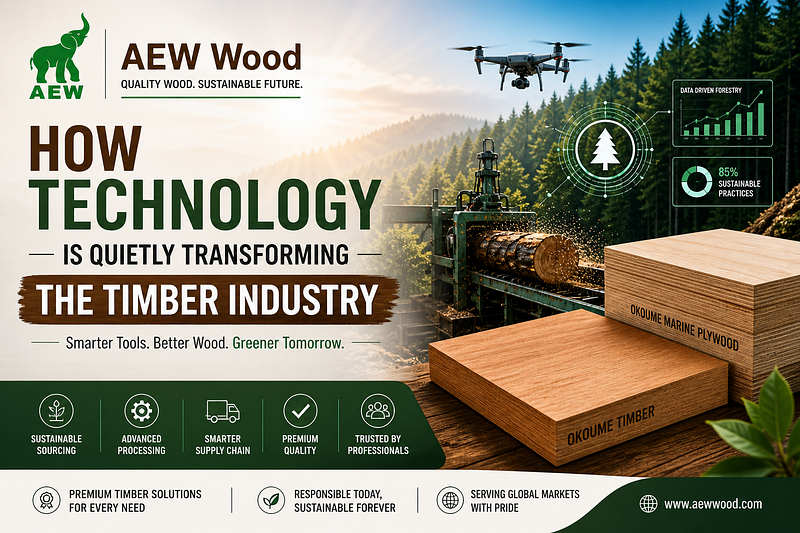
1. Smart Forestry: Precision Meets Sustainability
Modern forestry is no longer guesswork it’s data-driven.
With the help of drones, satellite imagery, and IoT sensors, forest managers can now monitor tree health, soil conditions, and growth rates in real time. This approach, known as precision forestry, allows for:
- Optimized harvesting cycles
- Reduced environmental impact
- Better yield prediction
For suppliers of premium materials like okoume timber, this means more consistent quality and sustainable sourcing practices. Technology ensures that forests are not just harvested — but responsibly managed for future generations.
2. Automation in Timber Processing
Once trees are harvested, advanced machinery takes over.
Automated sawmills equipped with AI and robotics can now cut, shape, and process wood with incredible accuracy. These systems:
- Minimize material waste
- Improve product consistency
- Speed up production timelines
This is particularly important for products like okoume marine plywood, where precision and durability are critical. Automation ensures that each sheet meets strict quality standards, making it ideal for marine and construction applications.
3. Digital Supply Chains and Smart Logistics
Gone are the days of manual tracking and delayed shipments.
Today’s timber supply chains are powered by digital platforms that provide real-time visibility into inventory, pricing, and delivery timelines. Whether you’re sourcing from global hardwood timber suppliers or a local woodworking supplies store, technology enables:
- Faster order processing
- Transparent pricing
- Efficient logistics management
Blockchain is also emerging as a tool for verifying the origin of timber, ensuring ethical sourcing and compliance with environmental regulations.
4. E-Commerce and Online Woodworking Stores
The rise of e-commerce has transformed how customers buy timber.
Now, professionals and hobbyists alike can browse, compare, and purchase materials online. A modern woodworking supplies store offers:
- Detailed product specifications
- Customer reviews
- Easy ordering and delivery options
This digital shift has made it easier than ever to access specialized materials like okoume wood or okoume marine plywood, even in regions where they were previously hard to find.
5. AI and Predictive Analytics in Timber Demand
Artificial Intelligence is helping businesses stay ahead of market trends.
By analyzing historical data, seasonal demand, and construction trends, AI can predict:
- Which timber types will be in demand
- Optimal pricing strategies
- Inventory requirements
For example, rising demand for lightweight, durable materials has increased interest in okoume timber, especially in marine and interior design sectors. Suppliers can now adjust production and stock levels accordingly, reducing waste and maximizing profitability.
6. Sustainable Innovations and Eco-Friendly Practices
Sustainability is no longer optional it’s essential.
Technology is enabling timber companies to adopt eco-friendly practices such as:
- Carbon tracking systems
- Waste recycling processes
- Energy-efficient manufacturing
Certified sourcing and digital tracking ensure that products like okoume wood are harvested responsibly. This not only helps the environment but also builds trust among consumers who prioritize sustainability.
7. CNC Machines and Custom Woodworking
Customization is becoming a key differentiator in the timber industry.
CNC (Computer Numerical Control) machines allow for precise cutting and carving, enabling:
- Intricate designs
- Faster production of custom pieces
- Reduced human error
For customers purchasing from a woodworking supplies store, this means access to ready-to-use, high-quality components tailored to their specific needs.
8. Augmented Reality (AR) in Wood Selection
Imagine visualizing how a piece of wood will look in your space before buying it.
AR technology is making this possible. Customers can now:
- Preview wood textures and finishes
- Compare different timber types
- Make informed purchasing decisions
This is particularly useful for premium materials like okoume marine plywood, where aesthetics and functionality both matter.
9. Workforce Transformation and Skill Development
As technology evolves, so does the workforce.
Traditional roles are being complemented by tech-driven skills such as:
- Data analysis
- Machine operation
- Digital inventory management
Training programs are helping workers adapt, ensuring that the industry continues to thrive while embracing innovation.
About AEW Woods
When it comes to sourcing premium timber, AEW Woods stands out as a trusted name in the industry. Known for its commitment to quality and sustainability, AEW Woods offers a wide range of products, including okoume timber, okoume marine plywood, and other high-grade materials.
Whether you’re a contractor, architect, or DIY enthusiast, AEW Woods functions as a reliable woodworking supplies store, providing expertly sourced products from top hardwood timber suppliers. Their focus on innovation and customer satisfaction makes them a preferred choice for modern timber needs.
Conclusion: The Future Is Already Here
Technology is not just enhancing the timber industry it’s redefining it.
From smart forestry and automated processing to digital marketplaces and sustainable practices, every stage of the timber lifecycle is being transformed. For buyers, this means better quality, greater transparency, and easier access to premium materials like okoume wood and okoume marine plywood.
As the industry continues to evolve, businesses that embrace technology will lead the way offering smarter, greener, and more efficient solutions for a growing global demand.
Frequently Asked Questions:
1. How is technology improving timber quality?
Technology like AI and automation ensures precise cutting, better grading, and consistent quality, especially for products like okoume timber.
2. What is okoume wood commonly used for?
Okoume wood is widely used in marine applications, furniture, and interior design due to its lightweight and durability.
3. Why is okoume marine plywood popular?
Okoume marine plywood is resistant to moisture and has excellent strength, making it ideal for boats and outdoor structures.
4. How do I choose the right hardwood timber suppliers?
Look for suppliers with certified sourcing, transparent pricing, and a strong reputation like those offering premium-grade materials and reliable delivery.
5. Can I buy timber products online?
Yes, many modern woodworking supplies store platforms offer online purchasing, detailed product descriptions, and doorstep delivery.


Comments
Post a Comment